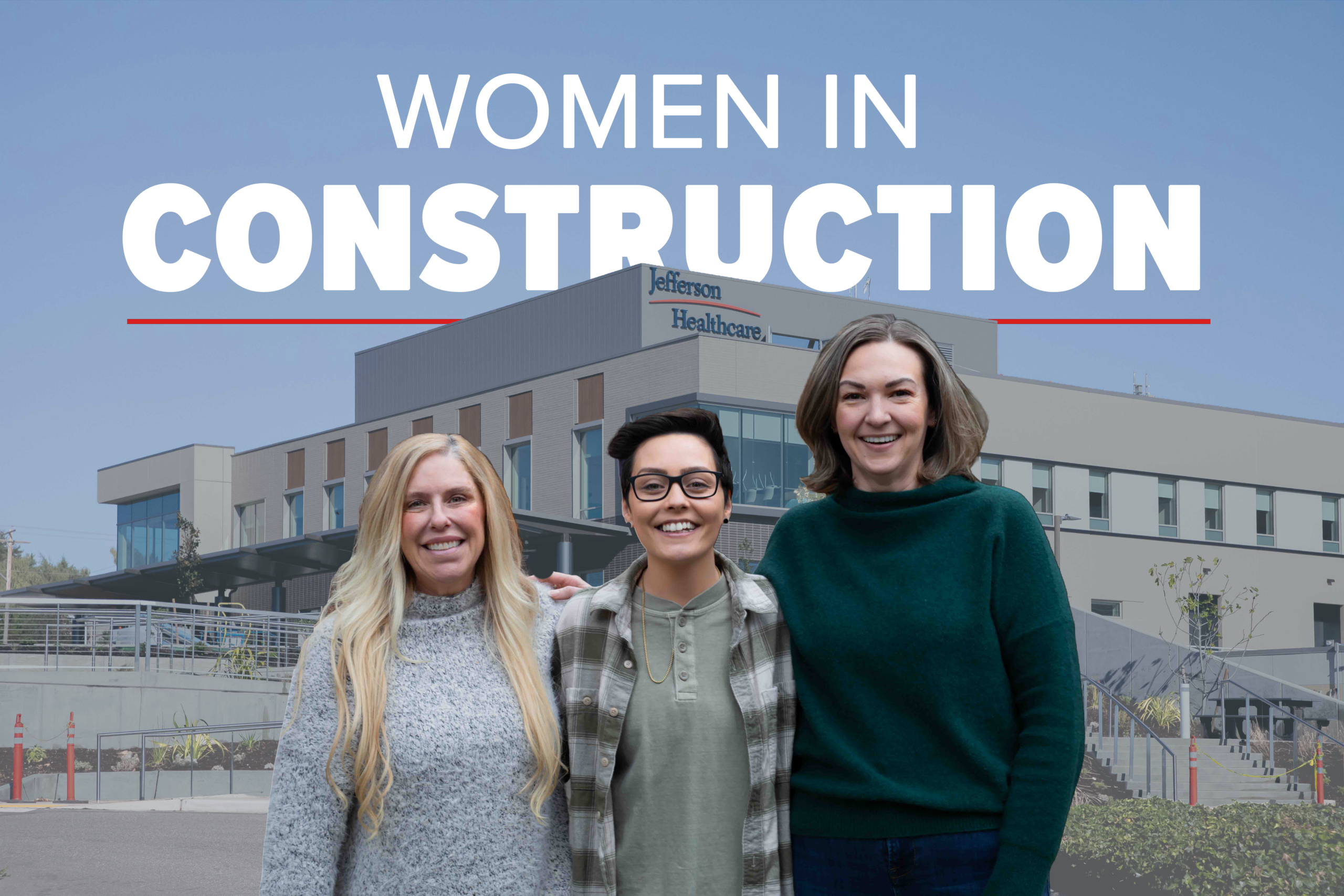
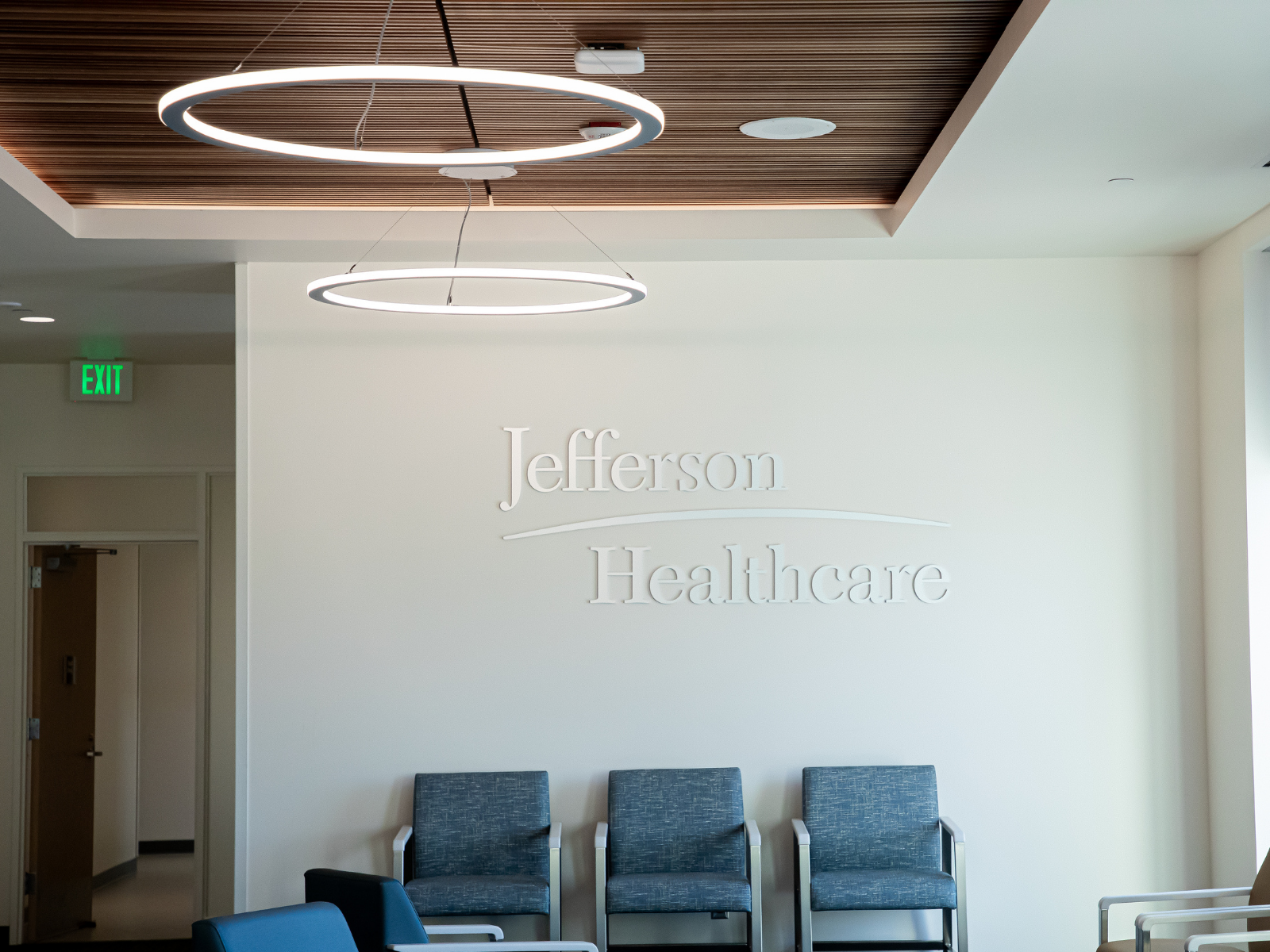
As PRIME kicks off its celebration of Women in Construction Month, we’re honoring the leadership, expertise, and impact of the women who continue to level up our industry and build strong teams, projects, and communities. Few efforts reflect that spirit more clearly than the transformation of Jefferson Hospital in Port Townsend, Washington, a project where access to care can mean the difference between minutes and hours.
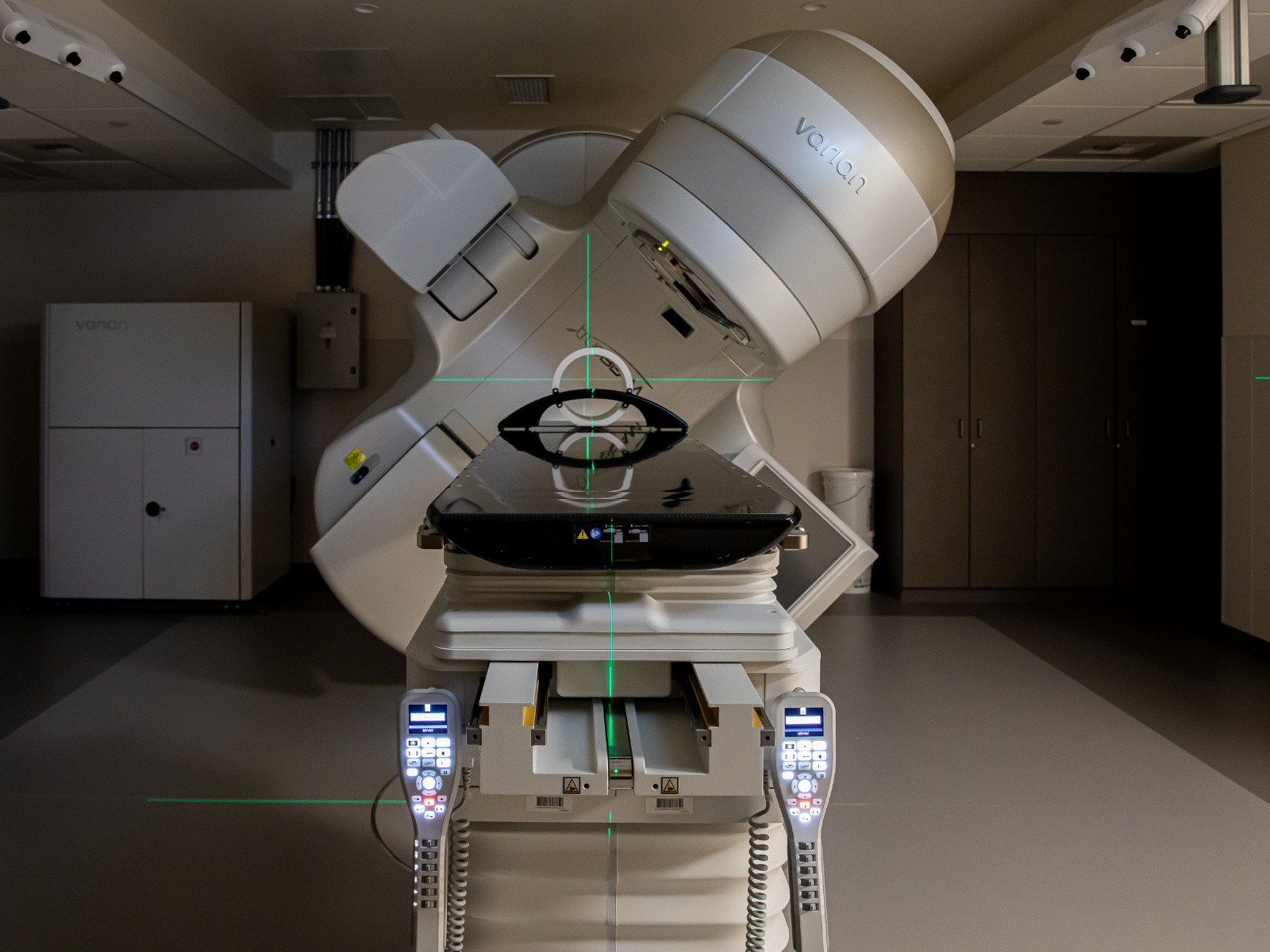
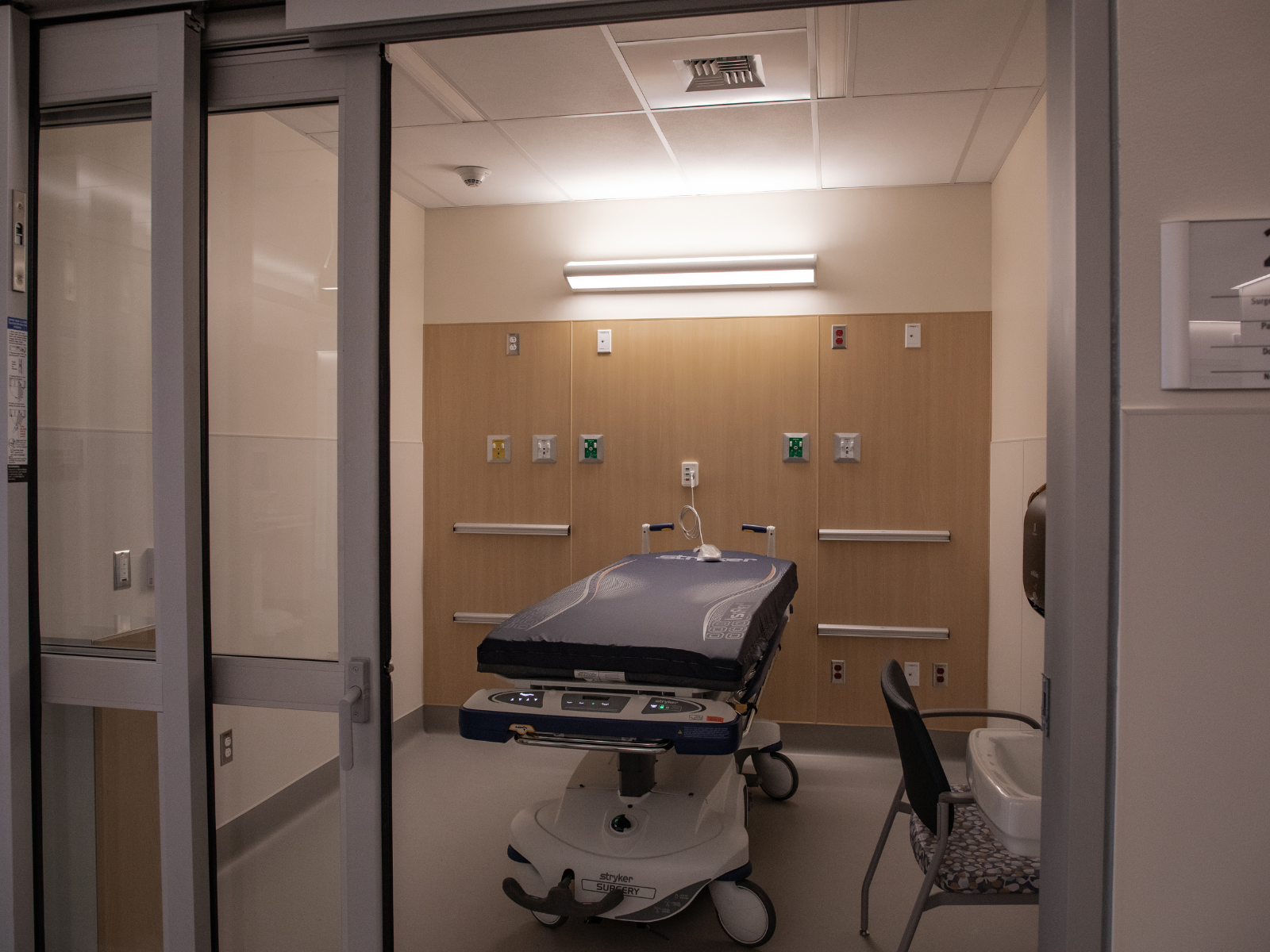
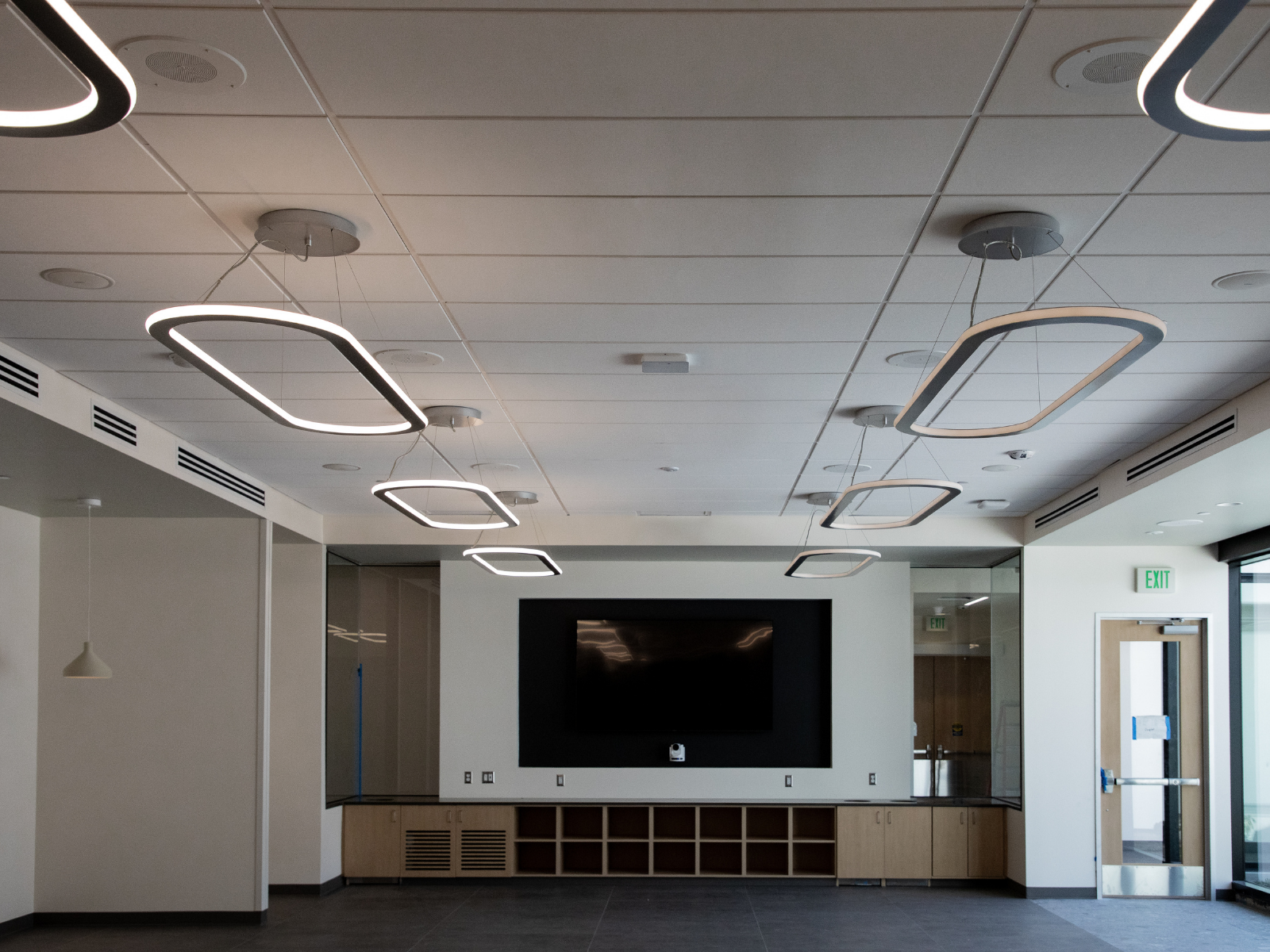
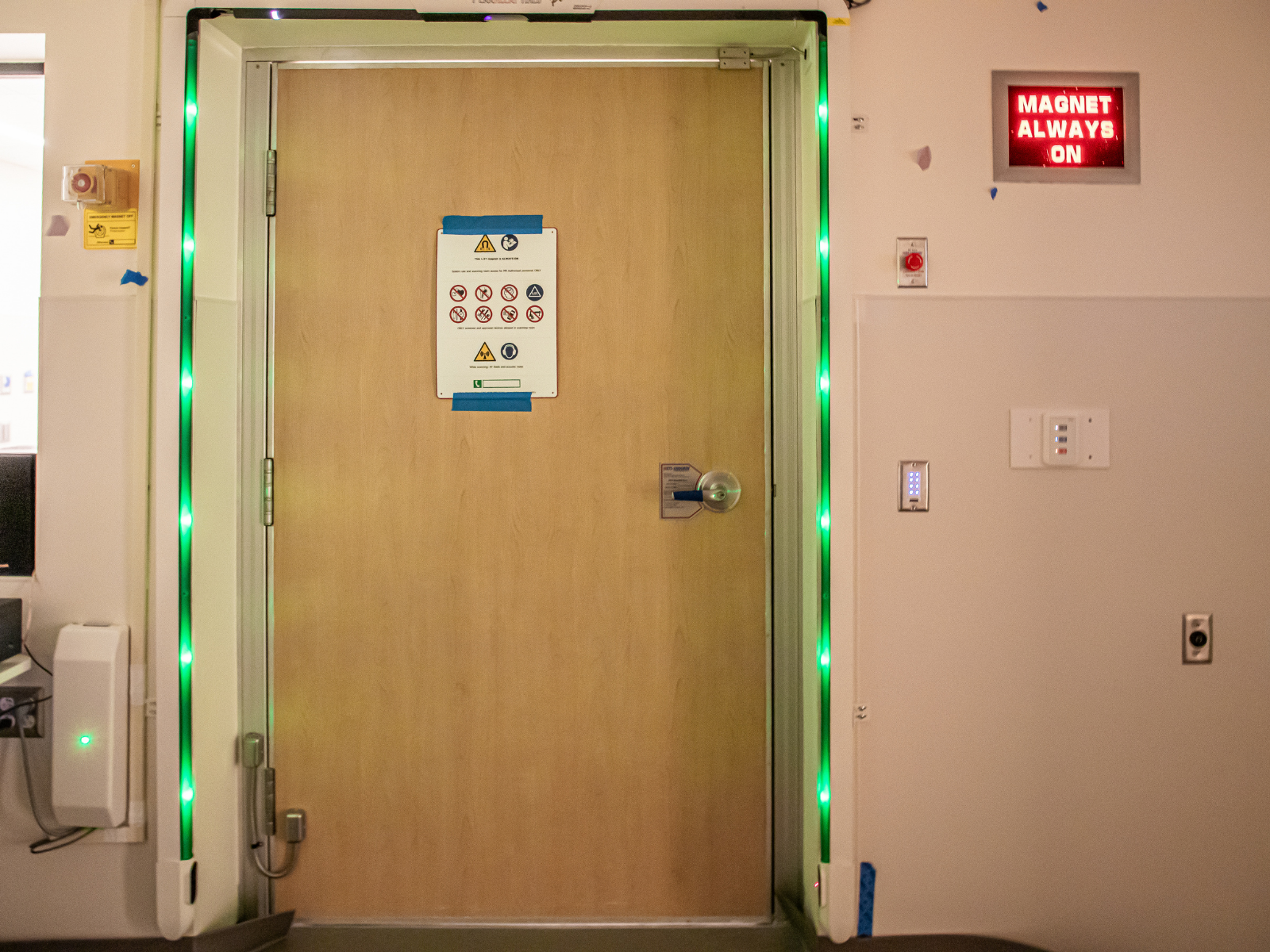
At the center of this once-in-a-generation effort was a highly complex construction project led by an all-women team from PRIME, a powerful example of leadership in healthcare construction. The work required removing the middle of an active hospital and rebuilding a 56,000-square-foot, one-story infill while the facility remained fully operational. The scope touched nearly every critical hospital system, from operating rooms, MRI, LINAC, and a dermatology MOHS lab to a medical office building and a two-story tilt-up structure.
PRIME managed nurse call stations, access control, structured cabling, fire alarm, general electrical, generators, kitchen systems, and phased relocations, all within a live healthcare environment where patient care could not be interrupted.
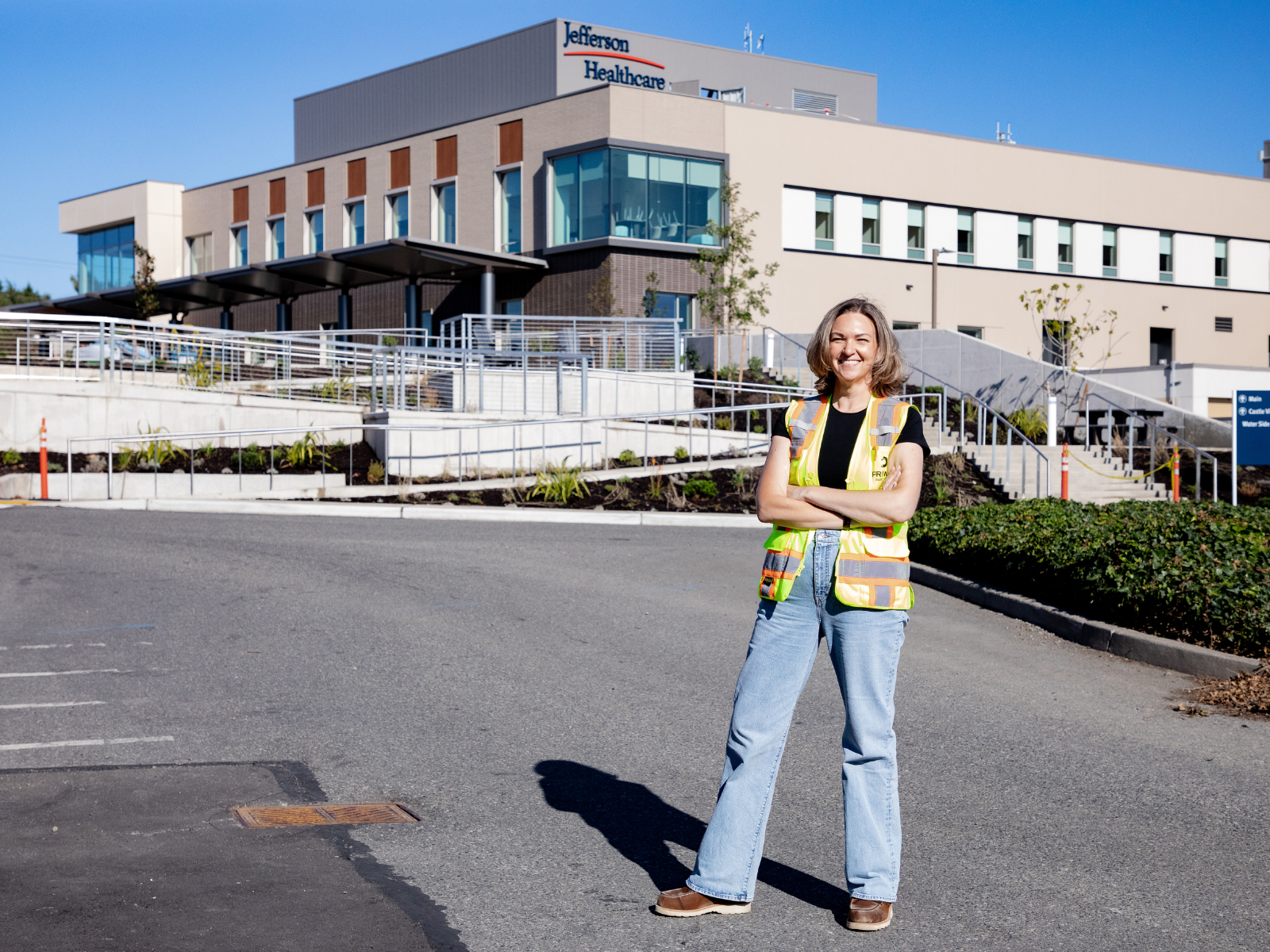
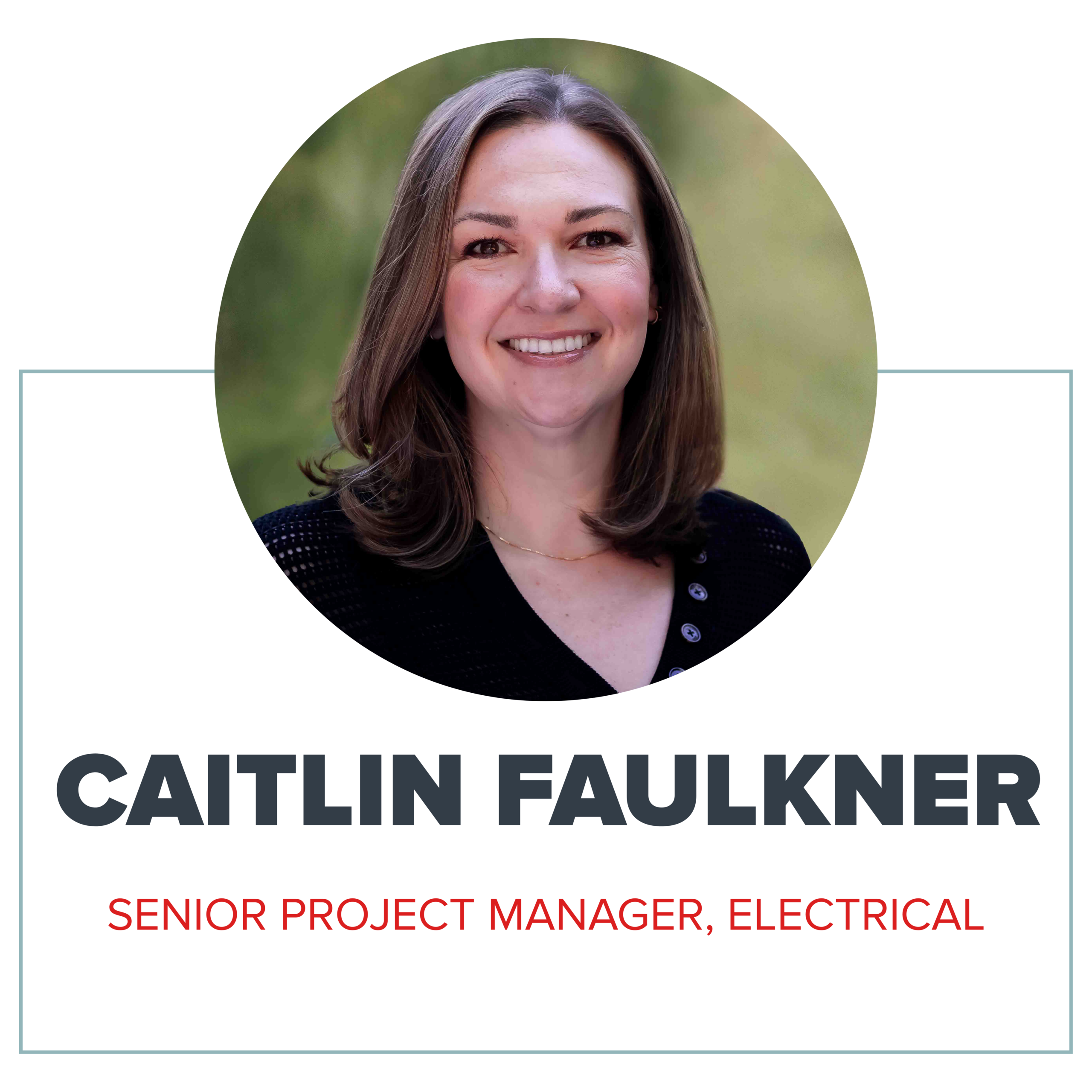
Guiding this effort were three women whose leadership shaped the project from start to finish, Electrical Senior Project Manager Caitlin, Technologies Senior Project Manager Ingrid, and Assistant Project Manager Kelsey. Each brought a different strength, and together they formed a team capable of navigating the project’s technical, logistical, and human challenges.


From the beginning, the team understood the stakes. “This was not a simple renovation,” Caitlin explains. “We essentially took the middle out of a hospital built in 1965 while keeping the rest fully operational.” For Ingrid, the complexity was rooted in the constant need to sequence work around patient care. Every outage required careful planning, coordination, and communication. “Working in an occupied hospital requires discipline,” she says. “Every decision affects someone’s safety, comfort, or care.”
The realities of the job added even more pressure. Port Townsend’s distance from major suppliers, limited staging space, evolving design decisions, and a tight schedule meant the team had to stay flexible and proactive. Leadership often meant stepping outside traditional roles to keep the project moving. “There were moments where it felt like everyone was just trying to get this project across the finish line together,” Kelsey recalls. That meant longer days, filling unexpected gaps, and supporting teammates wherever help was needed.
For Caitlin, leadership centered on removing barriers so the field could stay focused. “My job was to remove obstacles so our teams could do their work,” she says. Sometimes that meant hard conversations; other times it meant asking for help. Being transparent, especially during high‑pressure moments helped build trust across teams and allowed problems to be addressed before they escalated.
For Kelsey, the significance of Jefferson became clear through the community itself. Residents stopped to watch the building take shape. Friends sent newspaper clippings. People expressed excitement about expanded care. Those moments made the long days feel worthwhile.
Over time, the strength of the team became one of the project’s defining features. None of the three set out to make a statement, but their collaboration became something special. Ingrid describes it simply, “There was no such thing as ‘not my job.’ We backed each other up. We kept the project moving.”
We trusted each other. We leaned on each other. We didn’t miss deadlines, and we still made work fun.
Mentorship stood out as one of the most meaningful outcomes for Caitlin. Much of her early career guidance came from male mentors, simply because there were fewer women in the field. Being able to pass that knowledge on to Kelsey and help another woman grow into leadership carried real significance.
Looking back, all three women carry the same lesson forward- strong teams, clear communication, and shared ownership are what make complex projects successful. At Jefferson Hospital, their leadership didn’t just deliver a building; it delivered access, confidence, and care to an entire community. And during Women in Construction Month, their work stands as a powerful reminder of what it means to level up and build strong by lifting each other, strengthening the industry, and shaping the communities they serve.